Detailed Climate Information for Greece: Regional Weather Patterns and Data
Greece, located in southeastern Europe, is a country known for its stunning landscapes, ancient history, and picturesque islands.
Greece has a Mediterranean climate with hot, dry summers and mild, wet winters. However, due to its diverse topography, Greece experiences various microclimates. The coastal regions have a typical Mediterranean climate, while the mountainous areas have cooler temperatures and more precipitation.
Best Travel Time Guide for Greece: Ideal Seasons and Weather Insights
The best time to travel to Greece is during the spring (April to June) and fall (September to October) when the weather is mild and pleasant. However, the best time to visit may vary depending on the specific region you plan to explore. Coastal areas are ideal for summer beach vacations, while mountainous regions are perfect for hiking and outdoor activities in the cooler months.
Detailed Climate in the Regions of Greece
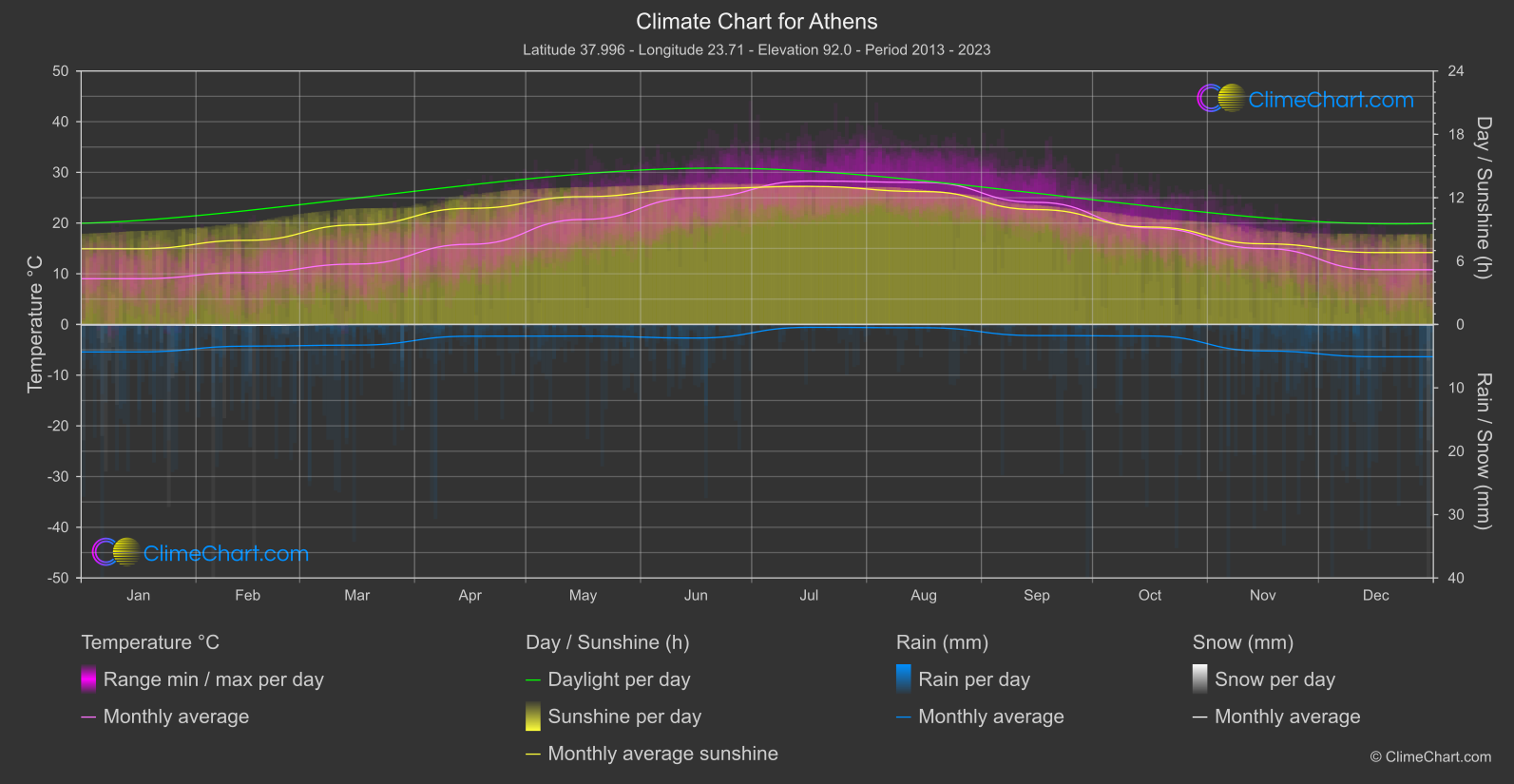
Athens
Region Central
Monthly mean temperatures reach their lowest point in January, at 9.
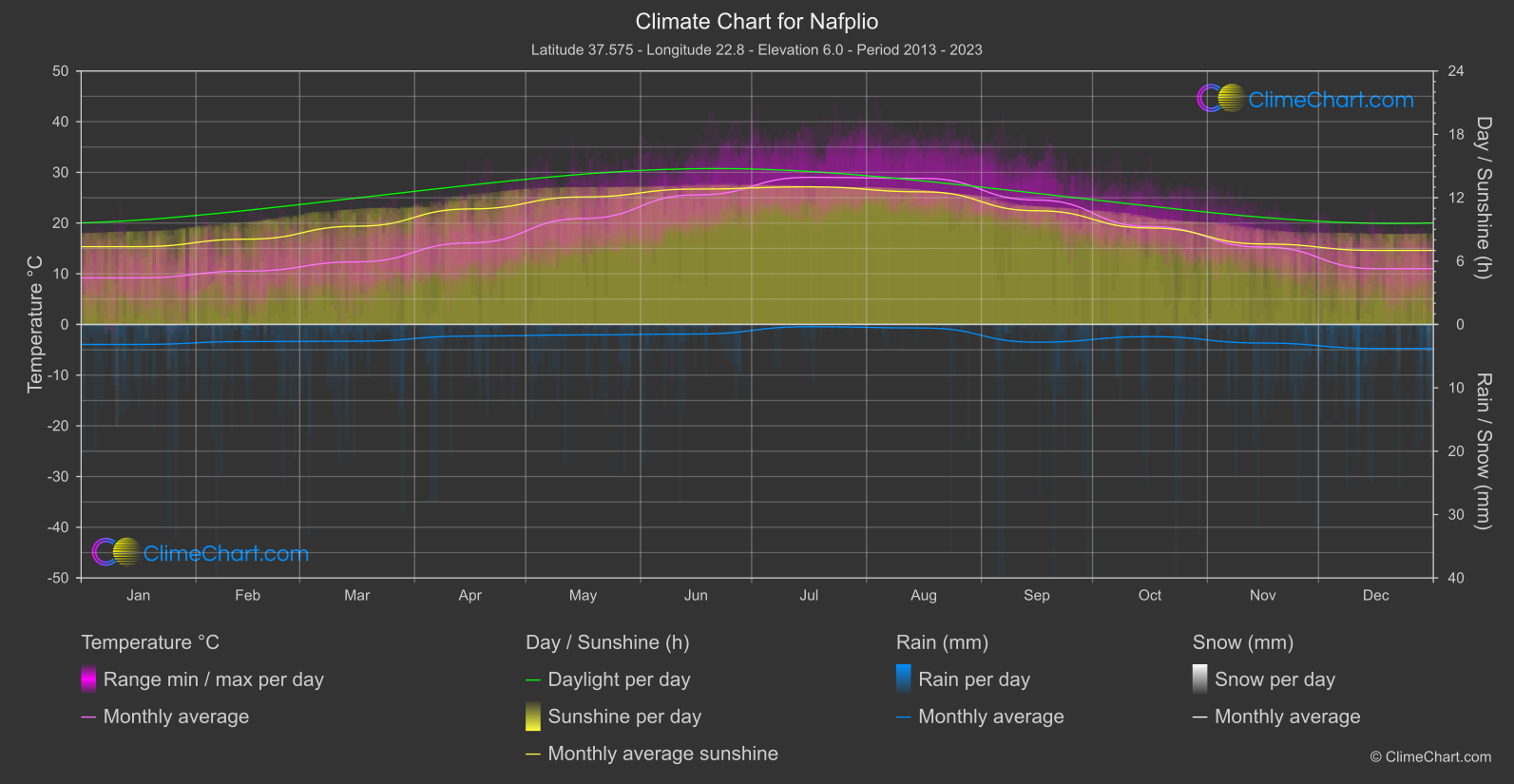
Nafplio
Region Central
Monthly mean temperatures reach their lowest point in January, at 9.
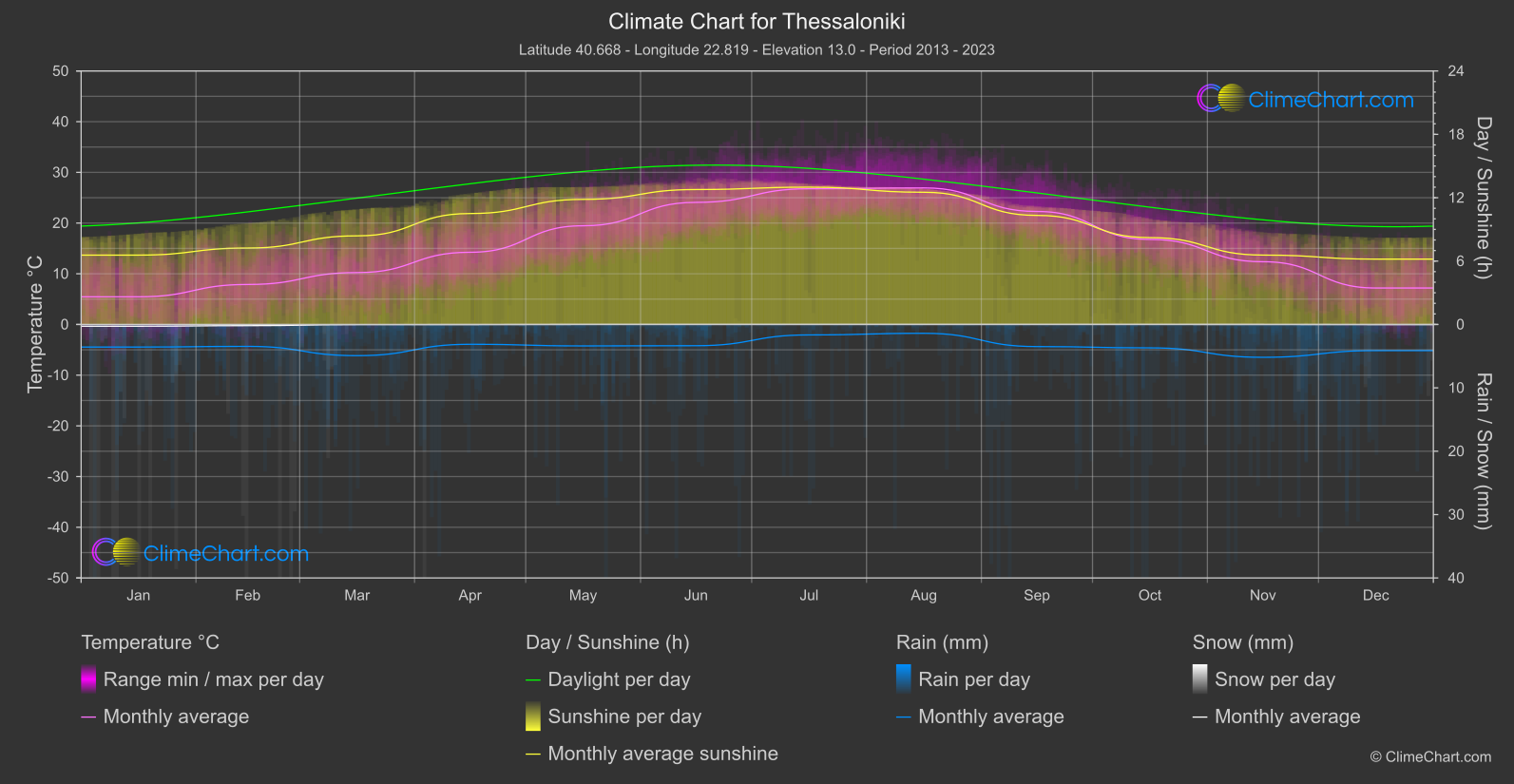
Thessaloniki
Region North
Thessaloniki, located in northern Greece, experiences a Mediterranean climate with hot, dry summers and mild, wet winters.
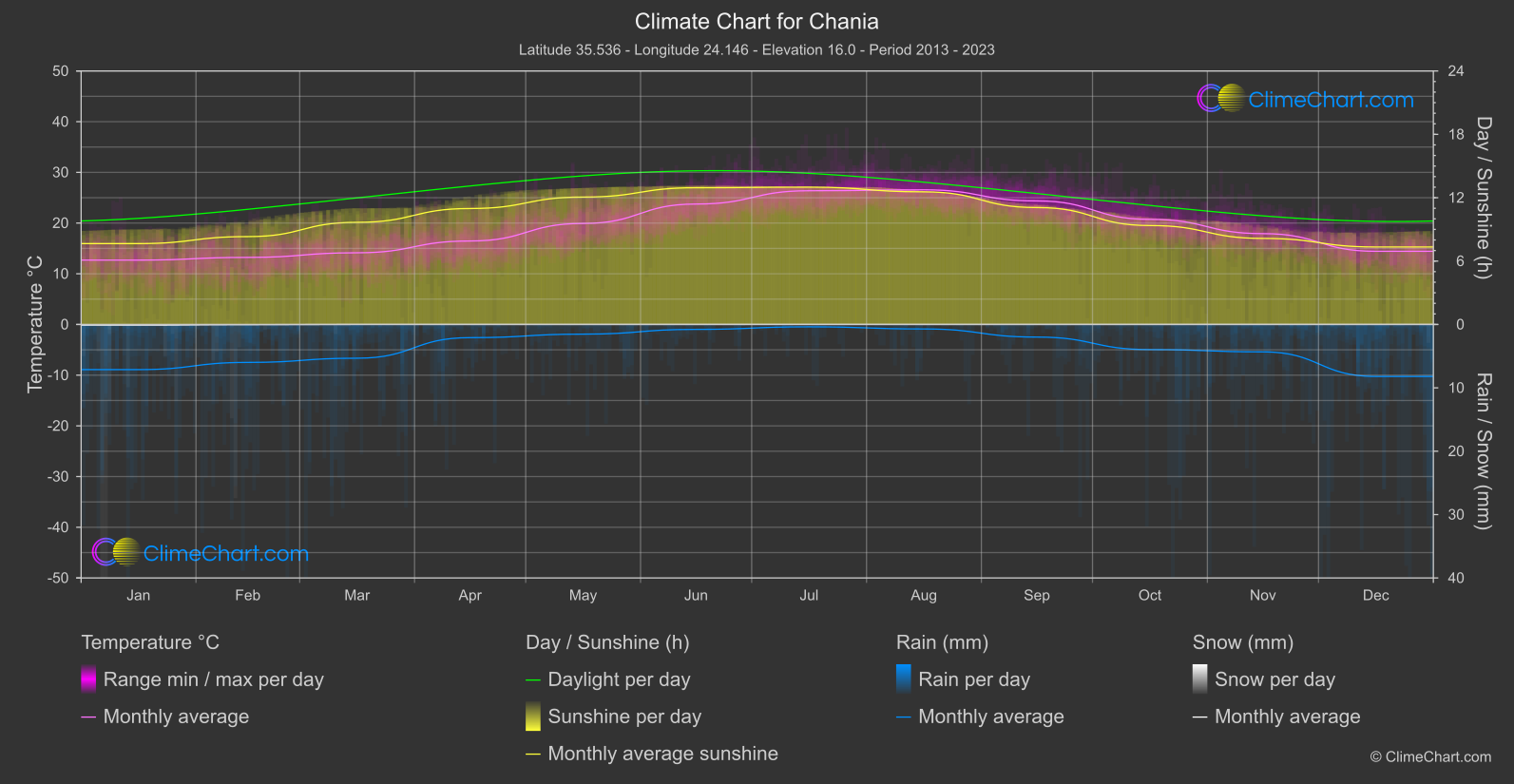
Chania
Region South
The coolest monthly mean temperature occurs in January, at 12.
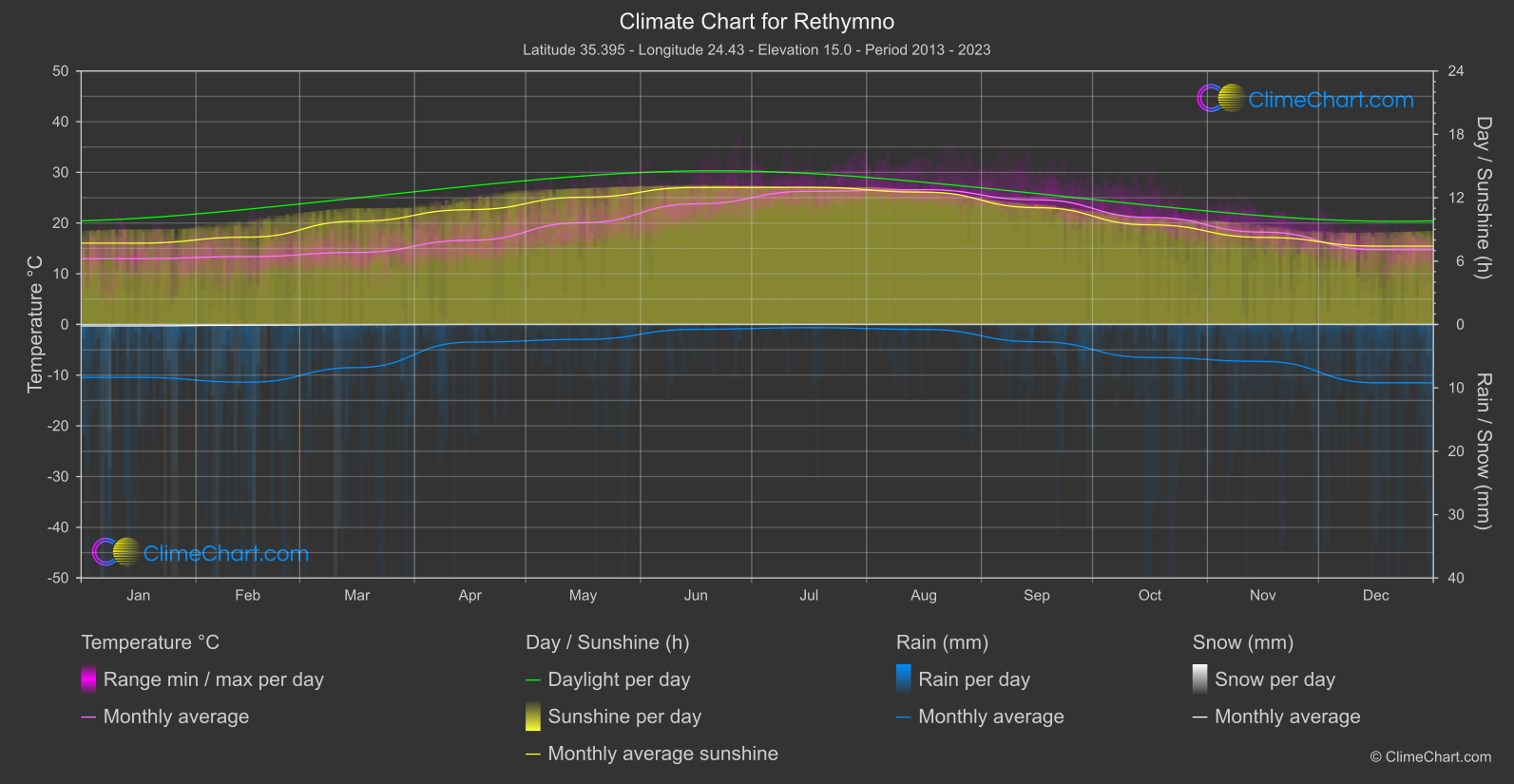
Rethymno
Region South
Monthly mean temperatures range from a high of 26.
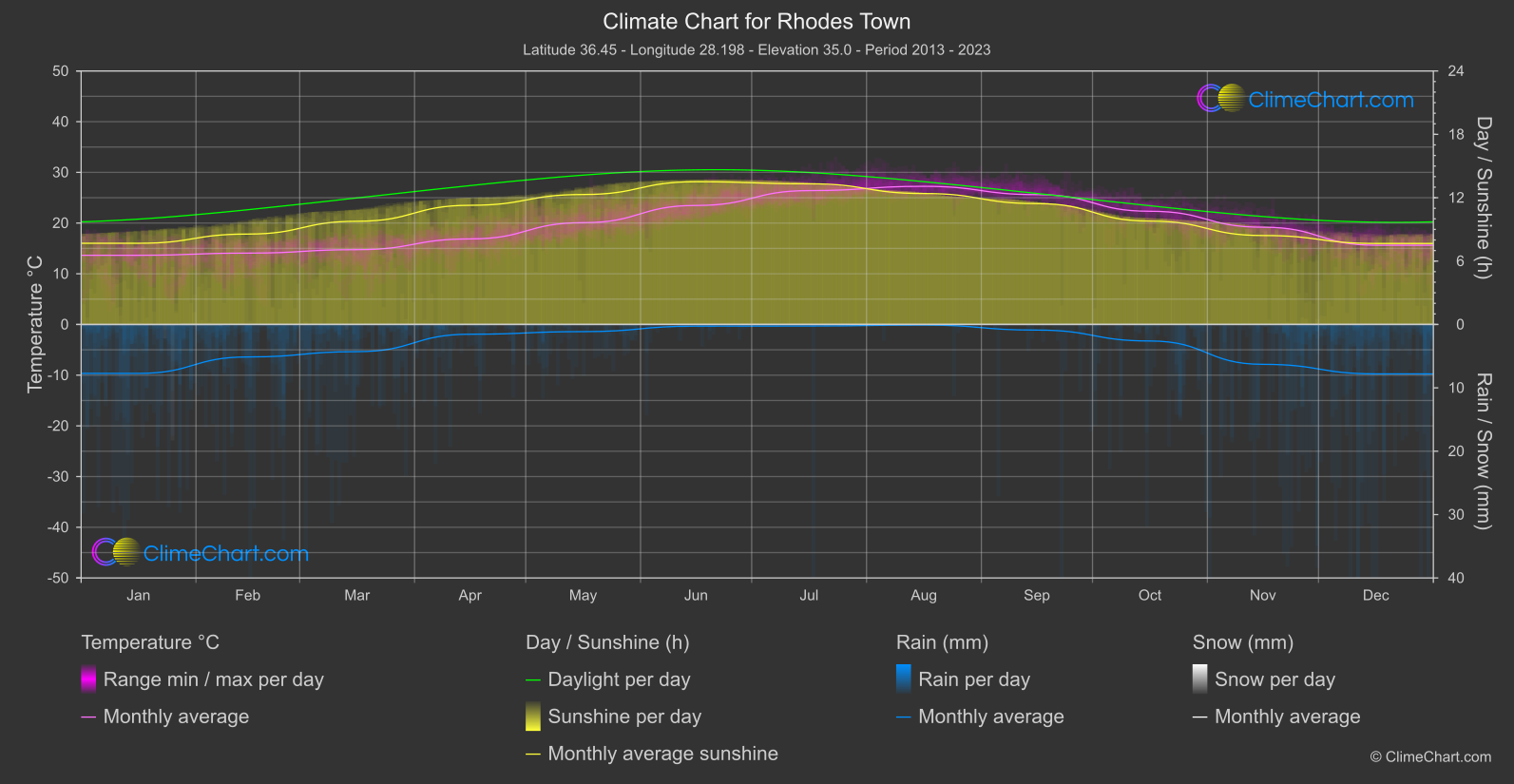
Rhodes Town
Region South-East
The monthly mean temperature reaches its high of 27.
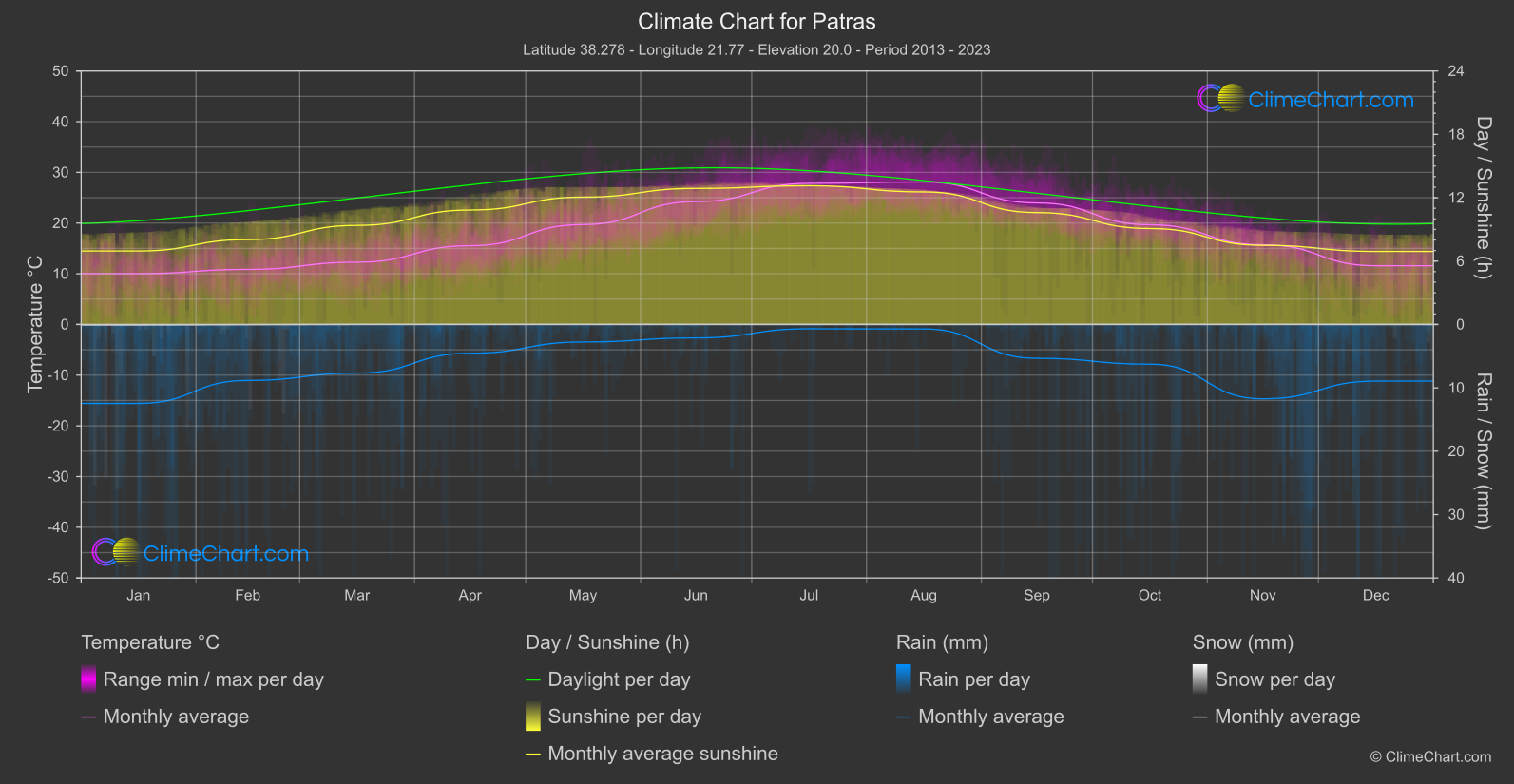
Patras
Region West
Monthly mean temperatures reach their reported high of 28.
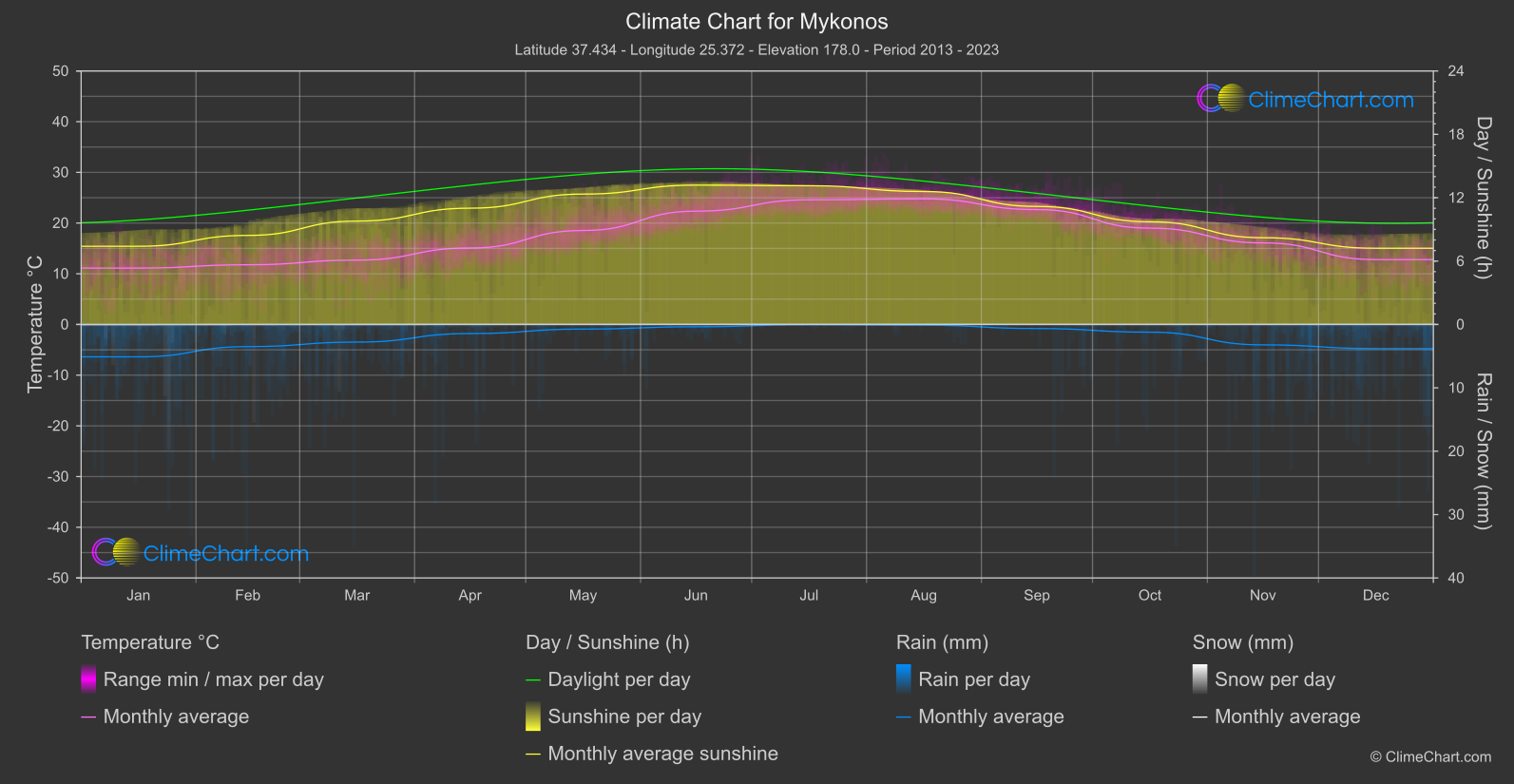
Mykonos
Region East
January has the lowest monthly mean temperature, 11.
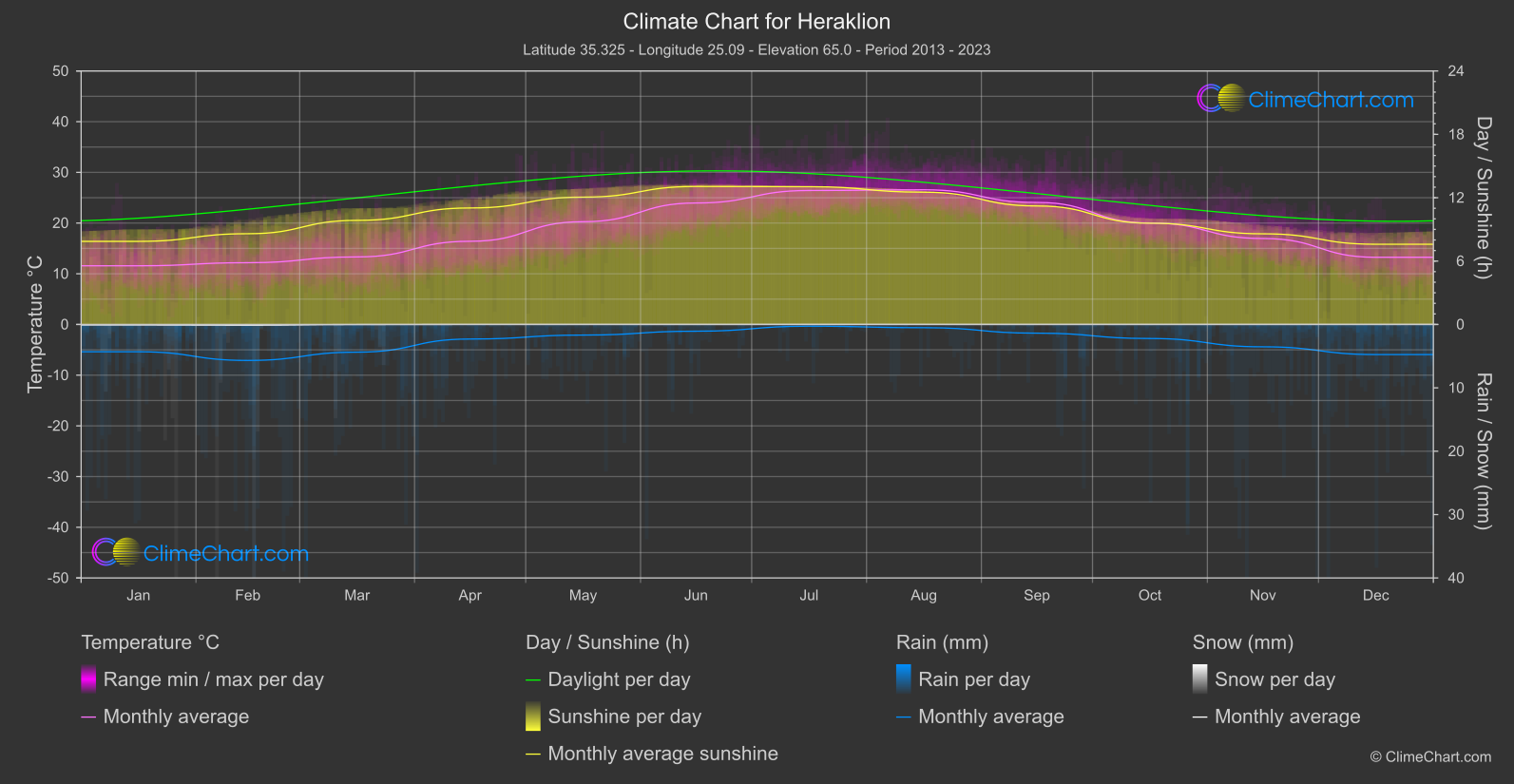
Heraklion
Region South
Monthly mean temperatures reach their lowest point at 11.
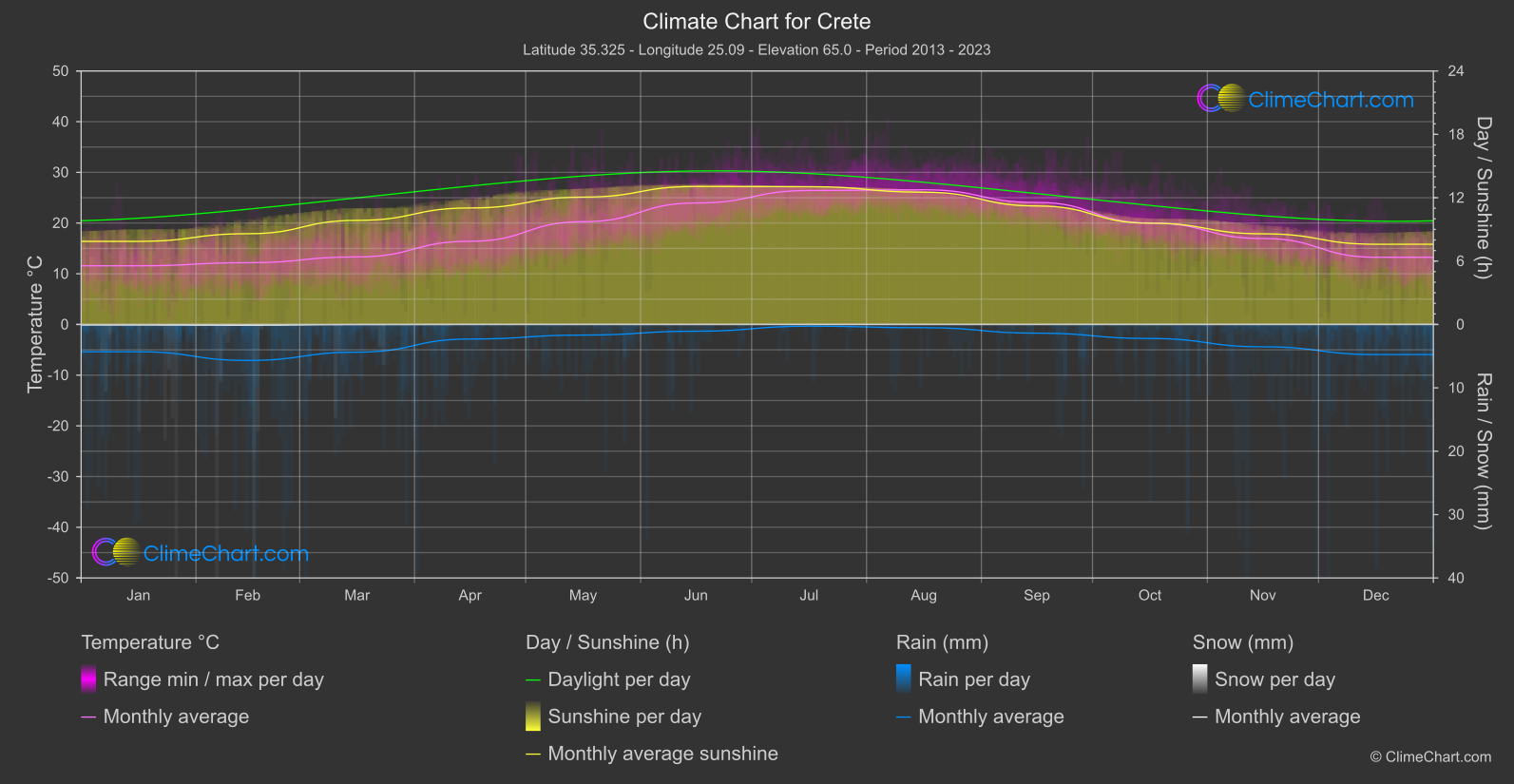
Crete
Region South
Monthly mean temperatures are coolest in January, at 11.
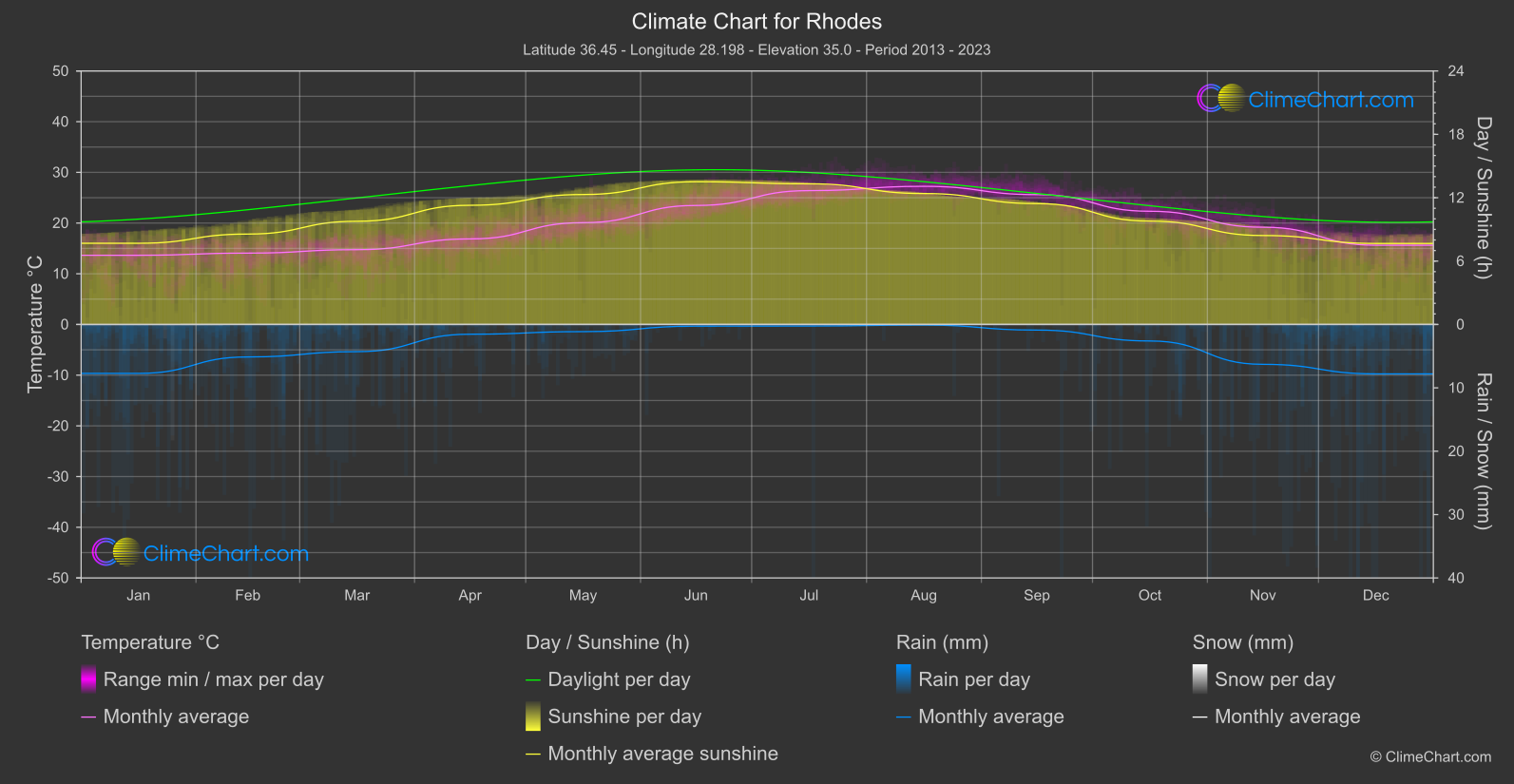
Rhodes
Region South-East
The monthly mean temperature is highest at 27.
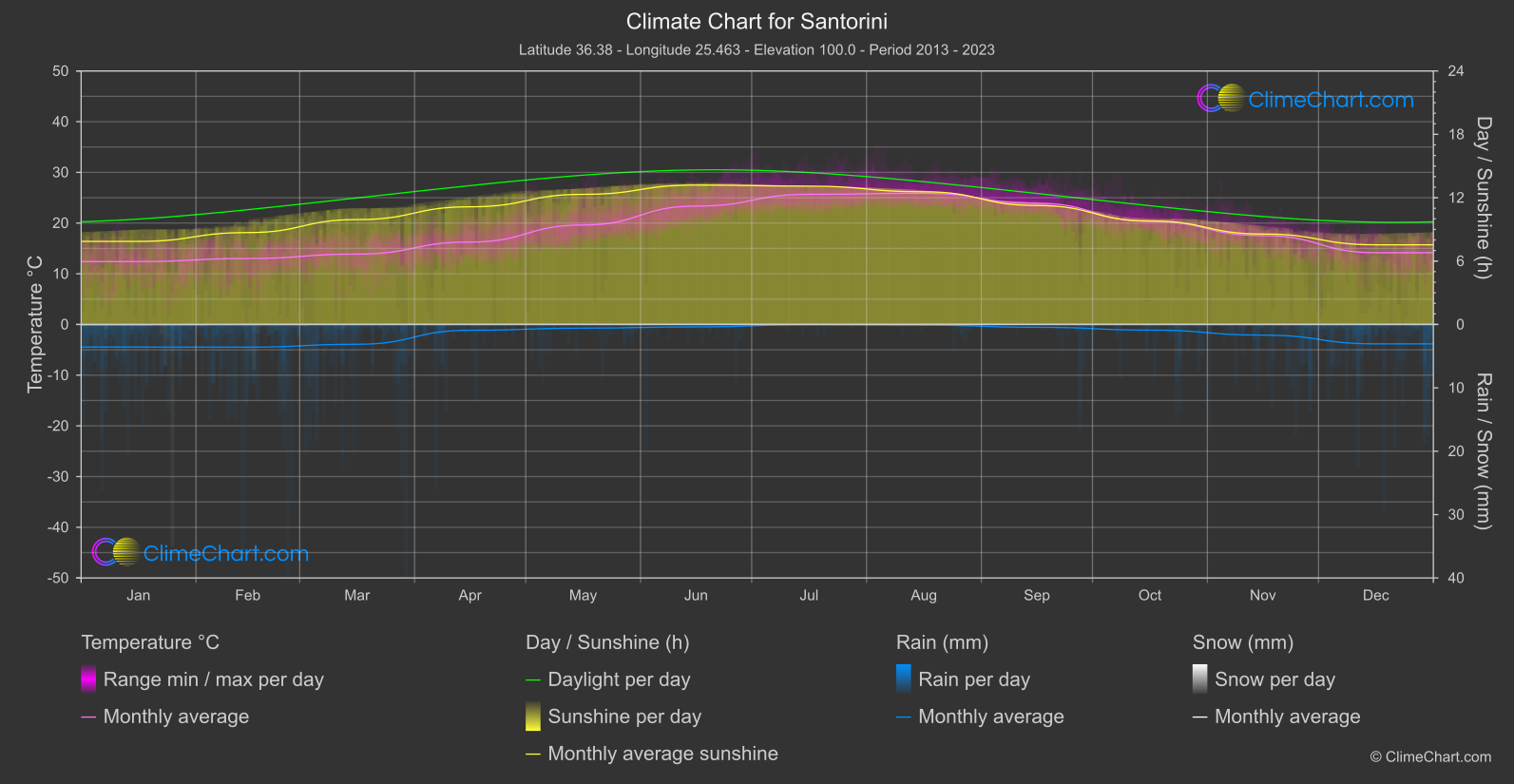
Santorini
Region South-East
Monthly mean temperatures range from January at 12.